Does Tea Expire? What Really Happens Inside the Tin
Have you ever discovered a beautiful tin of tea at the back of your pantry and hesitated because the "Best Before" date had passed? In reality, the lifespan of tea leaves is far more remarkable than a simple calendar date suggests.
1. A Naturally Self-Stable Botanical
Unlike fresh foods that spoil due to high moisture, tea leaves undergo thorough dehydration and drying during production. Classified as a non-perishable, shelf-stable good, it lacks the moisture environment needed for bacteria to thrive. Because of this, the date printed on the packaging is purely a regulatory labelling requirement indicating the window of peak, vibrant freshness – not a safety deadline or a risk to your health.
2. Mellowing with Age: The Evolution Inside the Tin
While delicate green teas (like Longjing) are meant to be enjoyed as fresh as possible, many other tea varieties actually continue to micro-ferment inside the caddy after leaving the garden. The tiny amount of residual air inside a properly sealed tin triggers a slow, safe, and natural micro-oxidation.
3. Which Tea Varieties Evolve Best Over Time?
Whether it is minimally processed White Tea (such as Silver Needle or White Peony), deeply robust Dark and Yunnan Black Teas, or crafted blends like green tea with toasted brown rice or traditionally scented Jasmine, time is an ally. Over months and years, the initially sharp, astringent qualities of the young leaf gently recede. The bitterness softens, allowing the tea to develop a noticeably rounder, smoother, and richer mouthfeel.

White Tea
Because white tea is crafted with minimal intervention and no high-heat fixing, its natural compounds remain wonderfully active. Over time, the fresh, grassy character of premium teas like Silver Needle or White Peony beautifully transitions into deep, elegant woody and mature aromas.

Dark & Yunnan Black Tea
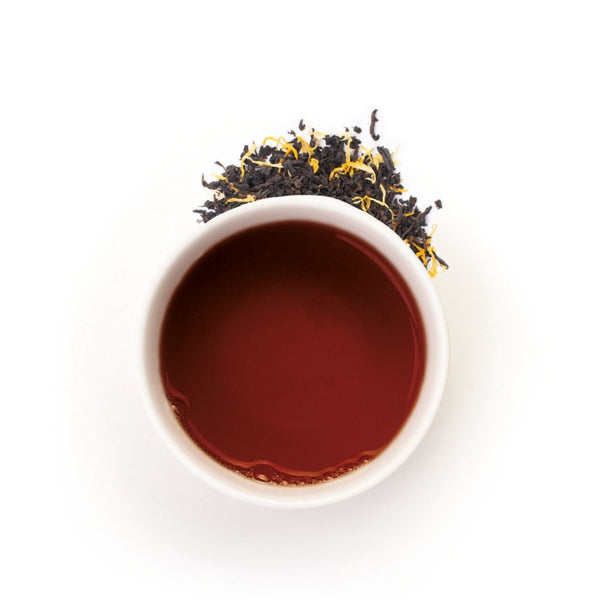
Rich, complex teas like Pu-erh or leaf-abundant Yunnan Black Tea possess a natural depth that thrives with age. As leaves rest inside a sealed tin, the micro-ferment process will turn the tea liquor into a vibrant amber-red, and their flavour profile grows deeper, sweeter, and more comforting.

Selected Robust & Blended Green Teas
Traditional Daejak green tea with yuzu from Korea's Jeju Island benefits from fertile volcanic soil and is packed with rich, resilient nutrients. Traditional Jasmine Green Tea undergoes a meticulous scenting process with repeated drying roasts that result in an exceptionally low moisture profile. Similarly, the tightly rolled leaves of Gunpowder Green Tea with Mint naturally shield the blend from quick oxidation. When kept secure in an airtight tin, these unique green teas will gradually round out the initially sharp, astringent edge, yielding a noticeably smoother, sweeter, and more balanced cup.
How to Store Your Tea for Graceful Ageing
To ensure your tea ages gracefully, keep your tins in a cool, dark place away from moisture and strong aromas. Once opened, it is best enjoyed within 1 to 2 months. As long as the leaves remain dry and smell clean, you can happily look past the calendar date and savour a cup that has grown smoother and richer with time.